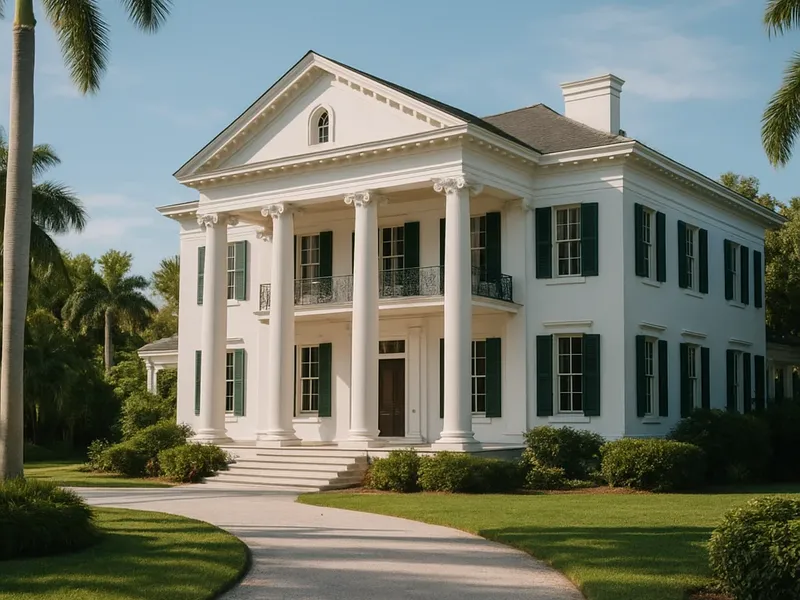
Historic Things to Do in Sarasota: Exploring the Mansions
Sarasota is a city steeped in history, with a rich architectural heritage that tells the story of its evolution from a small fishing village to a cultural hub. Among the city's most captivating attractions are its historic mansions, each offering a glimpse into a bygone era. For residents and visitors alike, these grand residences not only serve as a testament to architectural innovation but also provide a unique context for understanding the region's social and economic development.
Understanding the Historical Significance of Sarasota's Mansions
Many people associate historic mansions with opulence and exclusivity, often overlooking their role in the community's development. In Sarasota, these structures are emblematic of the city's growth during the late 19th and early 20th centuries when wealthy families sought refuge from the harsh northern winters. This trend led to the construction of lavish estates, each with its own architectural style, from Mediterranean Revival to Art Deco.
Common misconceptions about these mansions often focus on their status as mere tourist attractions. While they certainly draw visitors, they also represent the stories of the families who shaped Sarasota. For example, the Ca' d'Zan mansion, built by circus magnate John Ringling, is not just an architectural marvel but also a reflection of the ambitions and lifestyle of its original owner. Understanding these narratives is essential for appreciating the cultural fabric of Sarasota.
The Architectural Diversity of Sarasota's Historic Mansions
Sarasota's mansions showcase a variety of architectural styles that highlight the region's historical influences. Visitors can observe the transition from the ornate designs of the early 1900s to the more streamlined aesthetics of later periods. Some notable examples include:
- Ca' d'Zan: This Venetian Gothic-style mansion is situated on the shores of Sarasota Bay and is known for its intricate details and lavish interiors.
- The Ringling Museum of Art: Originally the home of John and Mable Ringling, this estate has been transformed into a museum that houses an impressive collection of art and artifacts.
- The Mote Mansion: A historical landmark that reflects the Mediterranean Revival style, it offers insights into the lifestyle of the early 20th-century elite.
These properties serve not only as architectural landmarks but also as cultural institutions, enriching the community through art, education, and preservation initiatives. The Ringling College of Art and Design, for instance, is closely linked to the Ringling estate and provides educational opportunities that celebrate and promote the arts.
Visiting and Engaging with Sarasota's Historic Mansions
When considering a visit to these historic mansions, it's essential to approach the experience with an understanding of what to expect. Many of these sites offer guided tours that their histories, architectural details, and the lives of their former inhabitants. Additionally, some mansions host special events, exhibitions, and educational programs that can enhance the visitor experience.
For residents thinking about the value of engaging with these historic landmarks, several factors come into play:
- Resource Allocation: Supporting local preservation efforts is crucial. Many historic mansions rely on donations and volunteer support for maintenance and programming.
- Community Engagement: Participating in events or volunteering can foster a deeper connection to Sarasota's history and its architectural heritage.
- Educational Opportunities: Schools and community organizations can benefit from field trips and collaborative programs centered around these historic sites.
Considering the historical context of these mansions provides a more enriching experience, helping visitors and locals alike appreciate the intricate layers of Sarasota's past. As the city continues to evolve, these architectural treasures remain a steadfast reminder of the community's journey and its commitment to preserving history for future generations.